
Summer Connection Series
Did you know?
Every summer, kids can lose up to 40% of what they learned during the school year.
And when they return to school in the fall, teachers spend weeks, sometimes months, catching them back up to grade level.
So how do you keep kids engaged over the summer in a way that actually feels fun to them?
Because most kids don't want more school over the summer. A lot of them don't even want to be at school during the school year.
And if you're a working parent or caregiver, you already know how tough summer can be — the juggle is real. You don't have time to hunt down activities and you're not trying to hand your kid something that feels like homework.
That's why our team at Inner Spark Learning Lab put together the Summer Connection Series — a free weekly newsletter with:
Hands-on activities (one for K–3rd and one for 4th–6th) including a video and guide
Conversation starters that get kids giving more than one-word answers
A recipe made by kids for kids
And if you’re local to LA, we include LA events we think are worth checking out with bonus activities we made to go along with them
Check out the activities we’ve released so far:
Week 1
Grades K–3
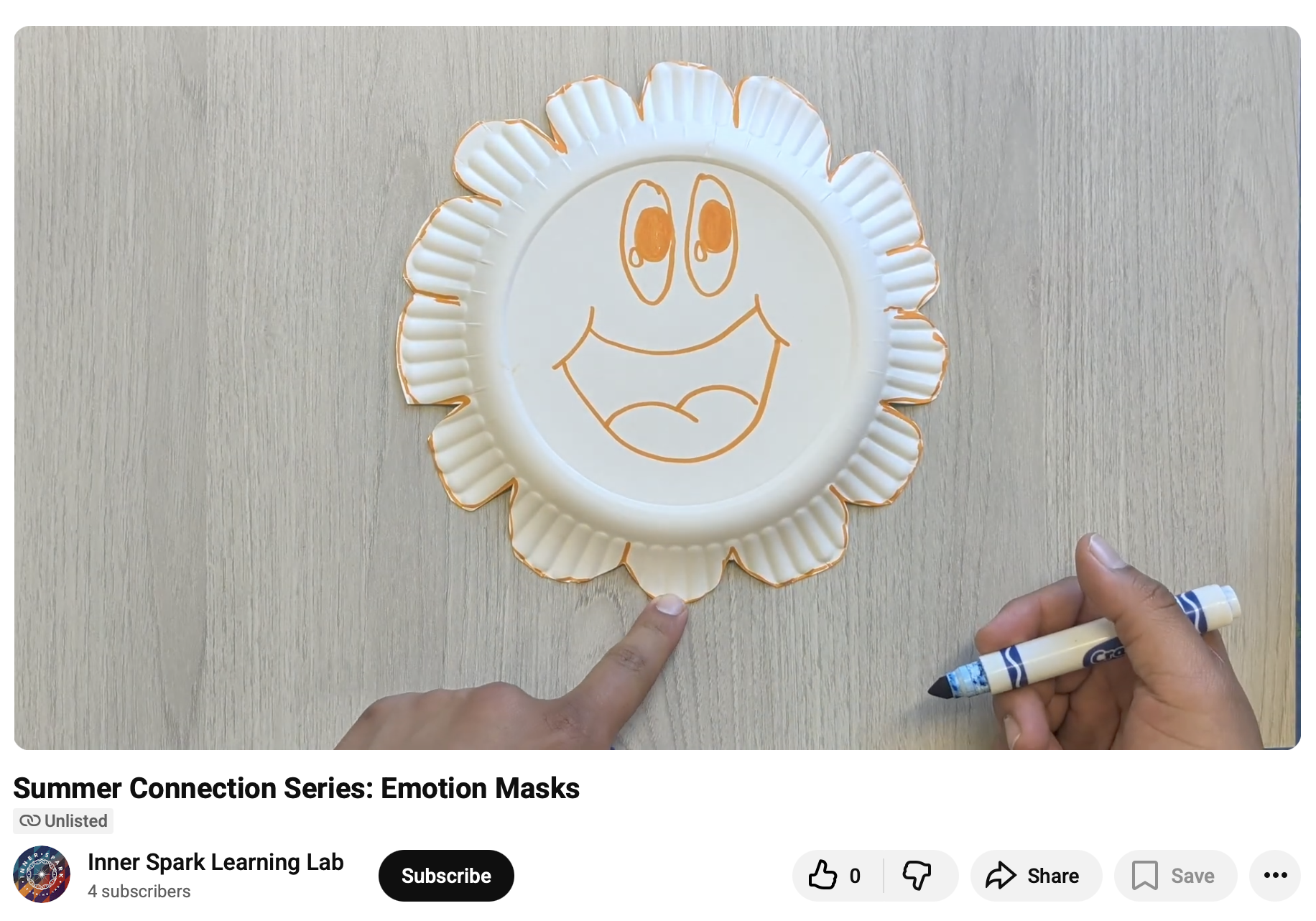
Emotion Masks
Big feelings are a normal part of growing up — and sometimes, it can be hard for kids to find the words to express exactly how they feel. In this fun and creative activity using materials found at home, kids will create “emotion masks” that help explore feelings through art, color, imagination, and conversation.
Grades 4-6
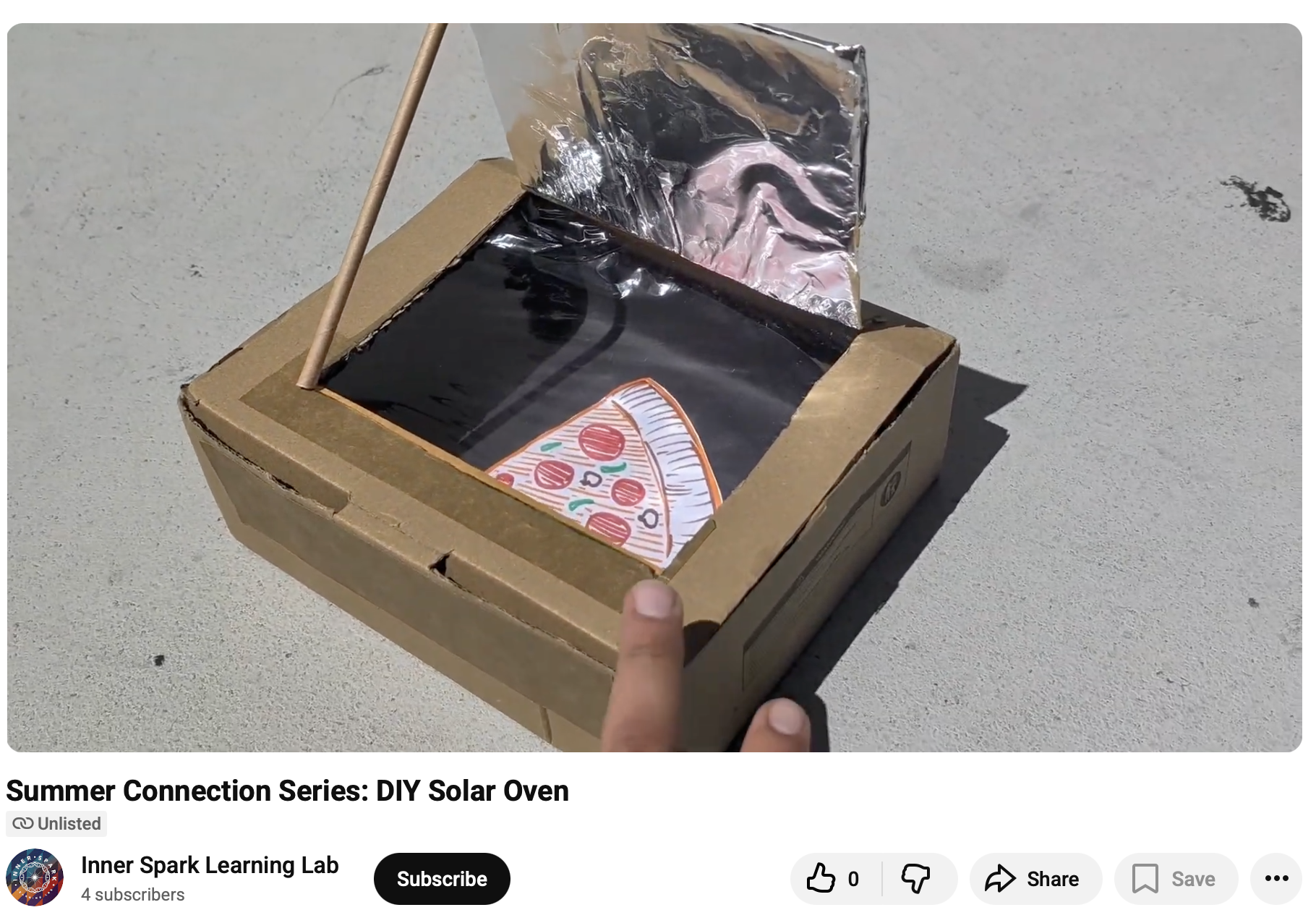
DIY Solar Oven
Did you know the sun provides the energy that powers nearly all life on Earth? In this activity, kids will design and build a simple solar oven using household materials to investigate how sunlight transfers heat energy. They can even use it to make s’mores! 🍫
Conversation Starters
On the way to camp or the babysitter’s house:
How can you show kindness to yourself or someone else today?
What does it mean to be kind to yourself?
Is it important to be kind to yourself and others?
How does receiving kindness make us feel?
What gives you energy when you have a busy or challenging day?
Is it a person, activity, habit, or something else?
How does it help you stay motivated?
What happens when you don't have enough energy?
At the dinner table:
Did you have a chance to show kindness today?
What did you do?
Did you see other examples of kindness?
How does giving kindness make us feel?
What helped you stay energized, focused, or motivated today?
When did you need extra energy?
What helped you keep going?
Is there anything you would do differently tomorrow?
Week 2
Grades K–3
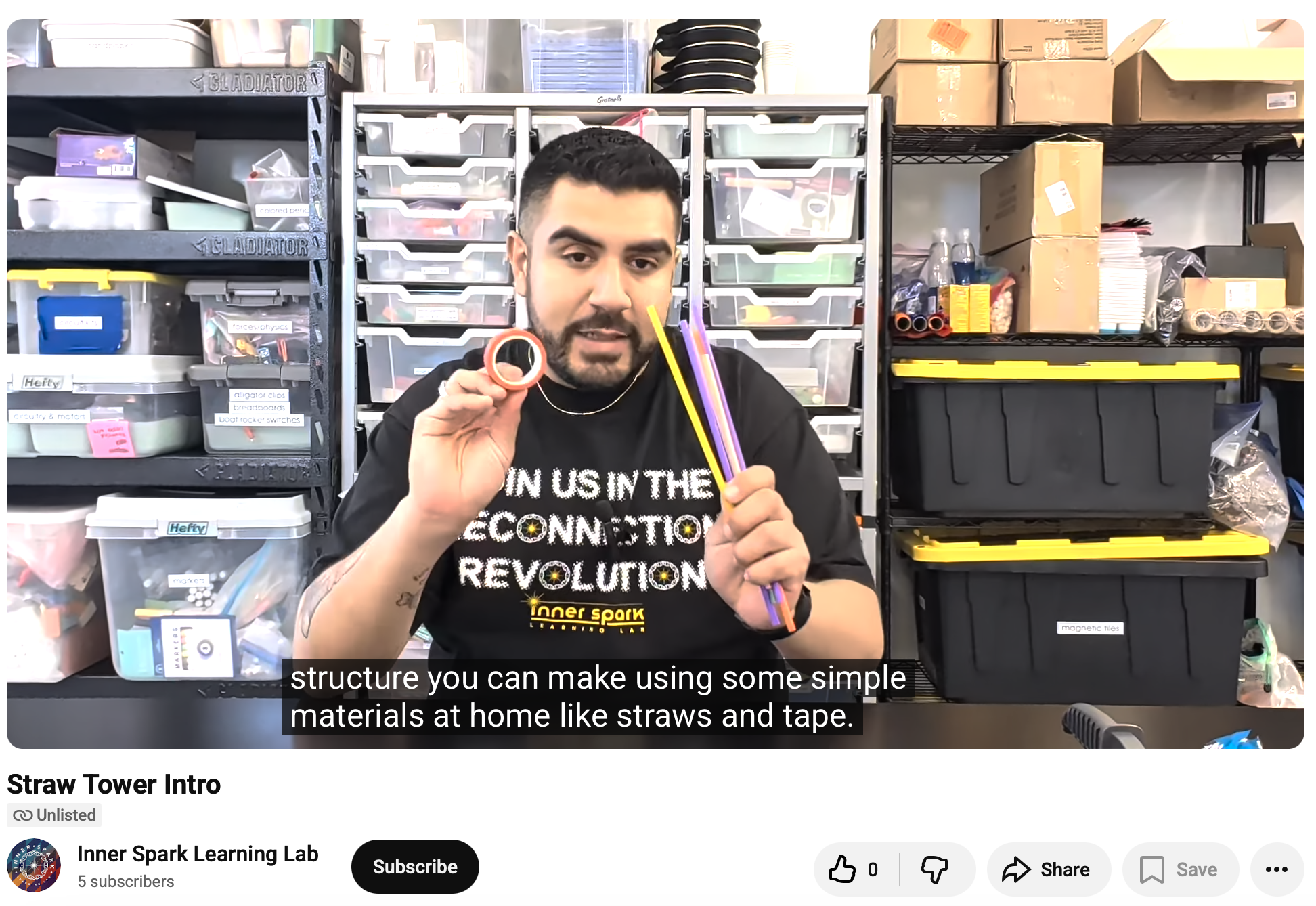
Tallest Tower
In this challenge, kids will become engineers and see how tall of a tower they can build using only simple materials. There is no single correct answer — every tower will be different!
Grades 4-6
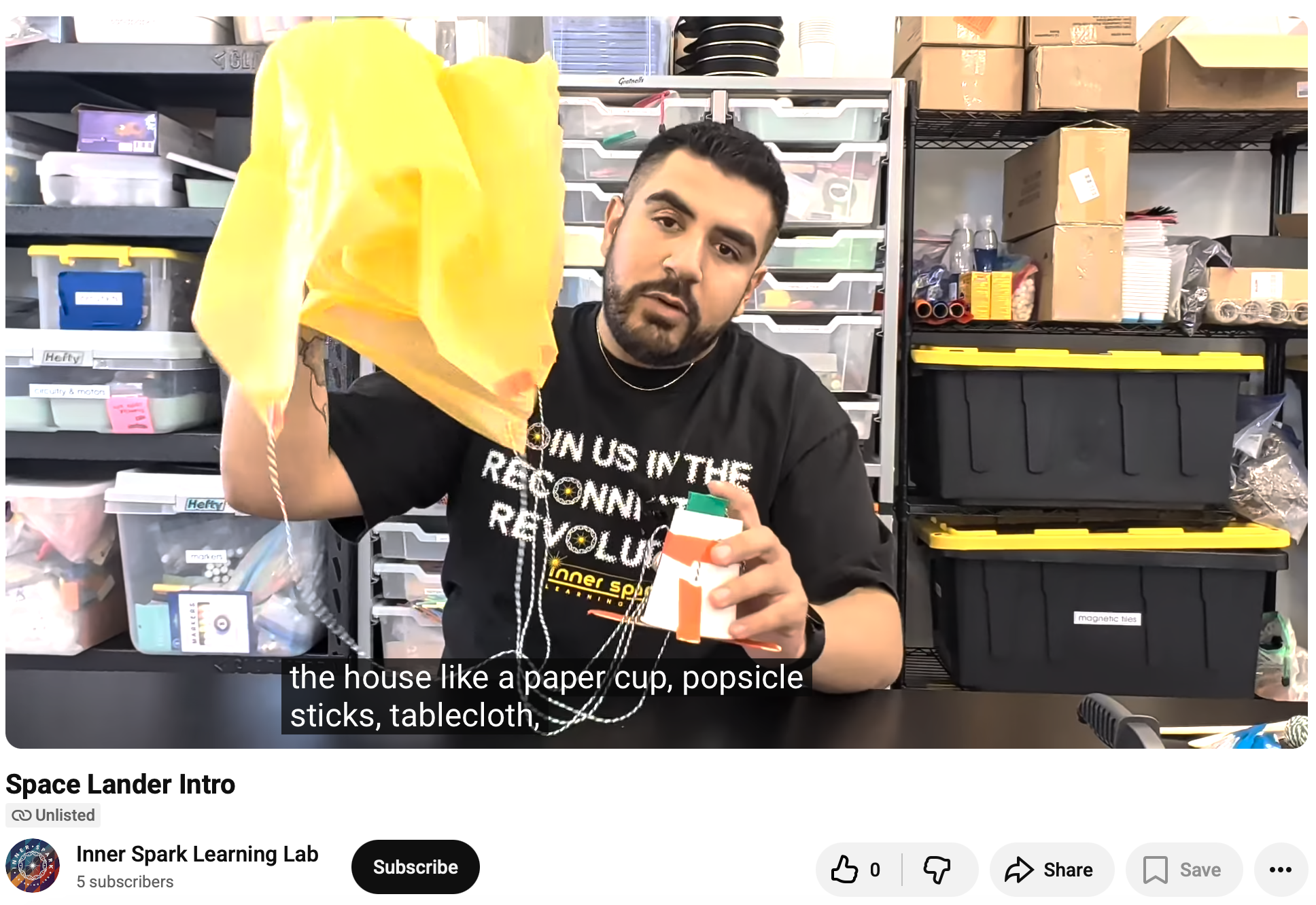
Space Lander
In this engineering challenge, kids will design a space lander that protects a passenger during a landing. Through testing and redesigning, students will explore how forces like gravity and drag affect motion and how engineers use creativity, experimentation, and problem-solving to overcome challenges.
Conversation Starters
On the way to camp or the babysitter’s house:
What is something new or hard you want to try today?
How can you step outside your comfort zone this week?
At the dinner table:
Who is a friend that makes you feel happy?
Who is a friend you can always count on for a good laugh?
Week 3
Grades K–3
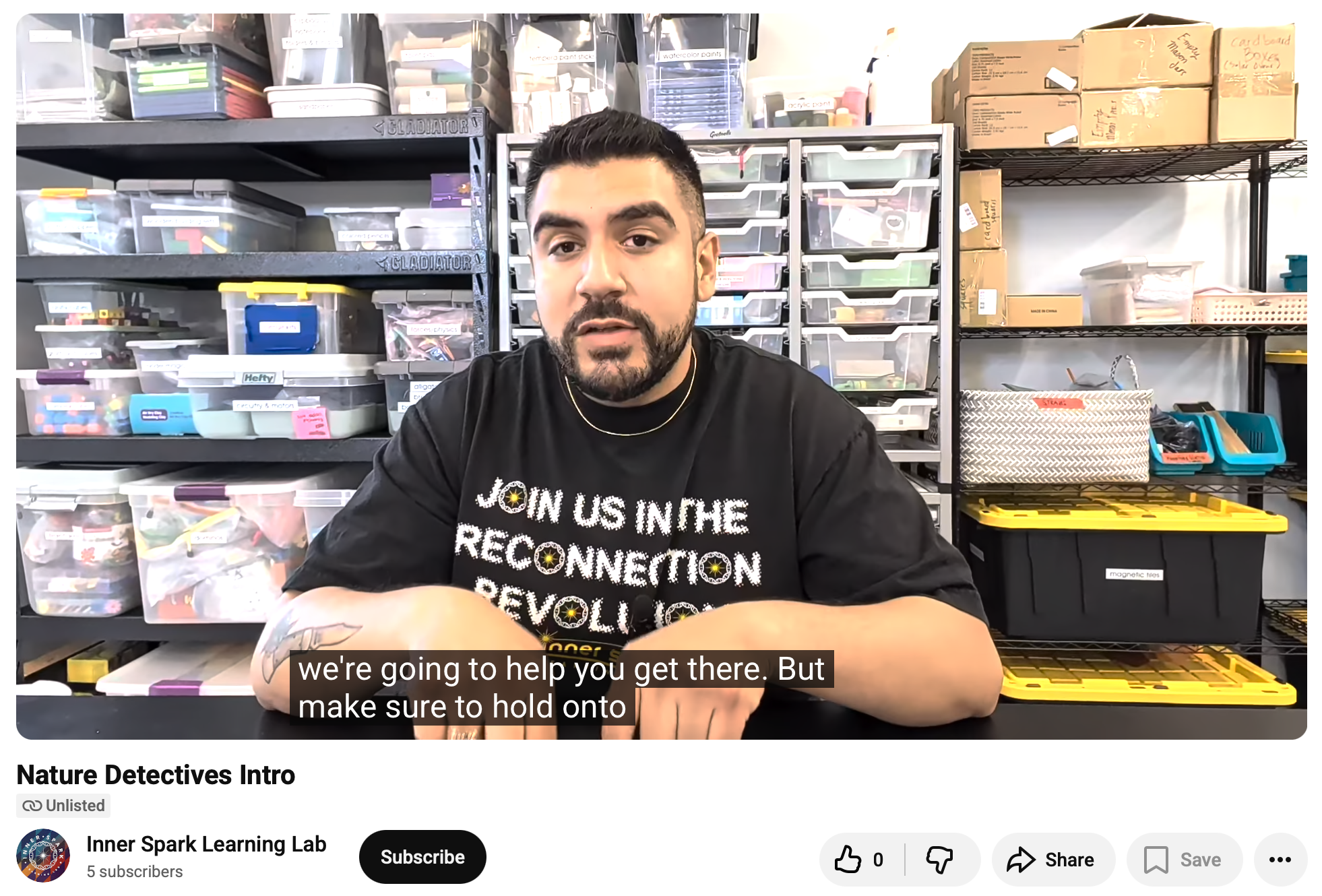
Nature Detectives: Part 1
This week, kids will become Nature Detectives by exploring a local park, neighborhood, backyard, or outdoor space. Together, you'll practice looking closely, asking questions, and making observations about the living things around you.
Grades 4-6
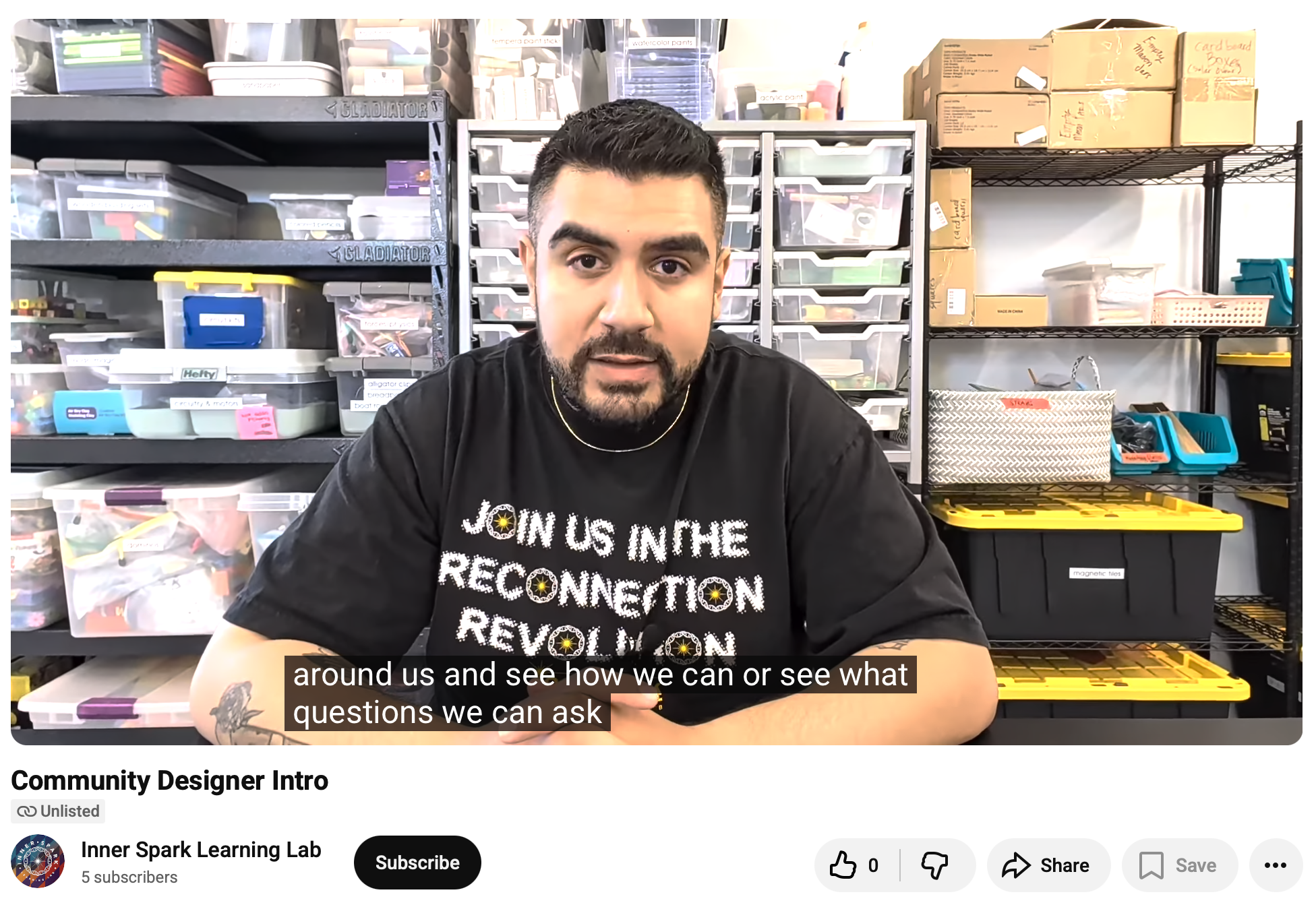
Community Designer Walk: Part 1
This week, kids will become Community Designers by exploring their neighborhood through the eyes of urban planners, engineers, architects, and community leaders.
Conversation Starters
On the way to camp or the babysitter’s house:
What is one way you can show a new friend that you want to play?
How do you balance wanting to fit in with a new group while still staying true to who you are?
How do you feel when your choices and ideas are listened to?
What is the difference between hanging out with someone who makes you feel included versus someone who is just “bossing you around”?
At the dinner table:
Did you notice anyone today who looked like they needed a friend? What did you do?
Belonging means feeling accepted for exactly who you are. When did you feel that way today?
Week 4
Grades K–3
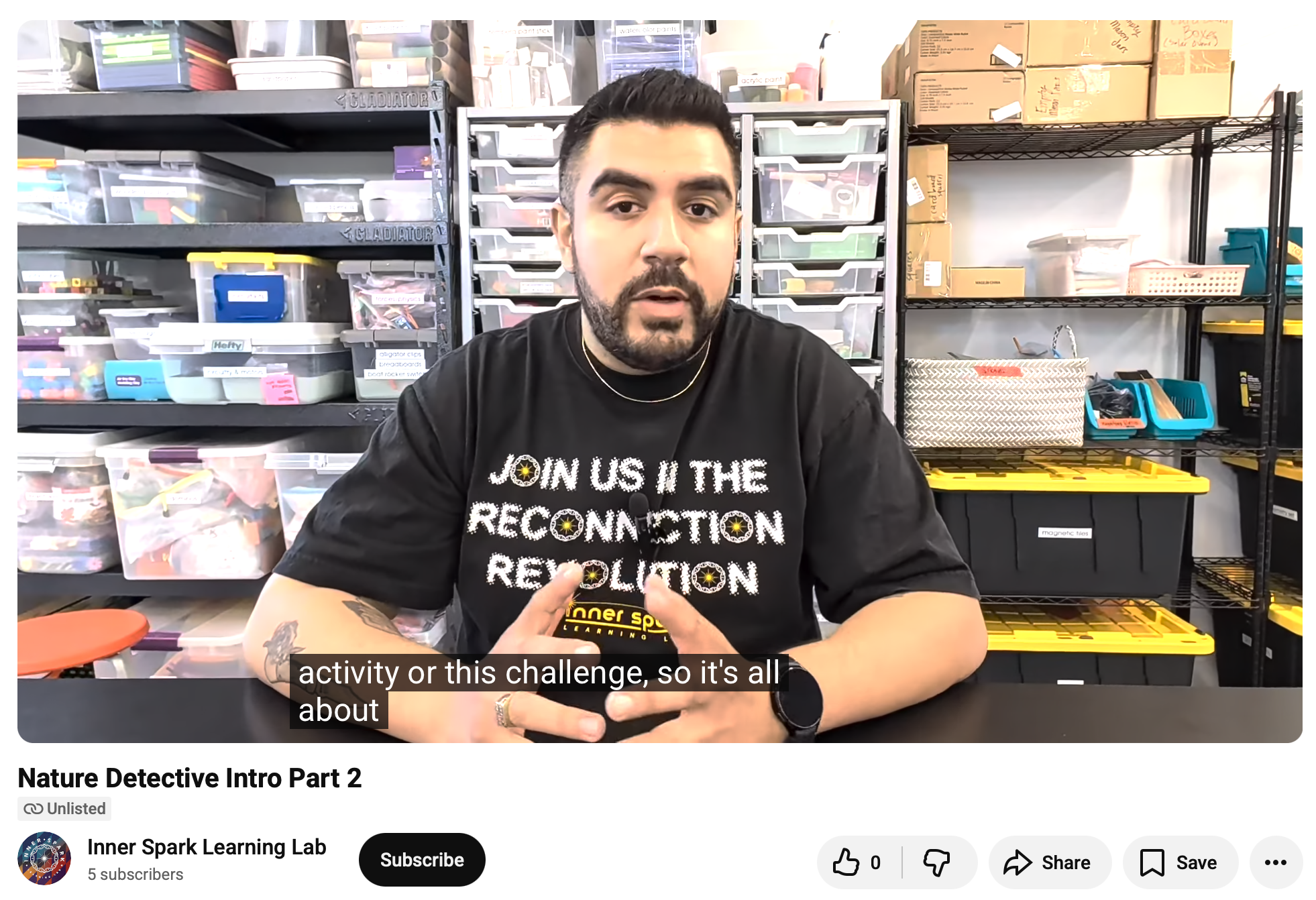
Nature Detectives: Part 2
Last week, you became a Nature Detective by exploring your neighborhood, park, or outdoor space. You observed plants, animals, insects, and other living things, asking questions and recording your discoveries in your Nature Detective Notebook.
This week, it's time to become a Nature Helper!
Grades 4-6
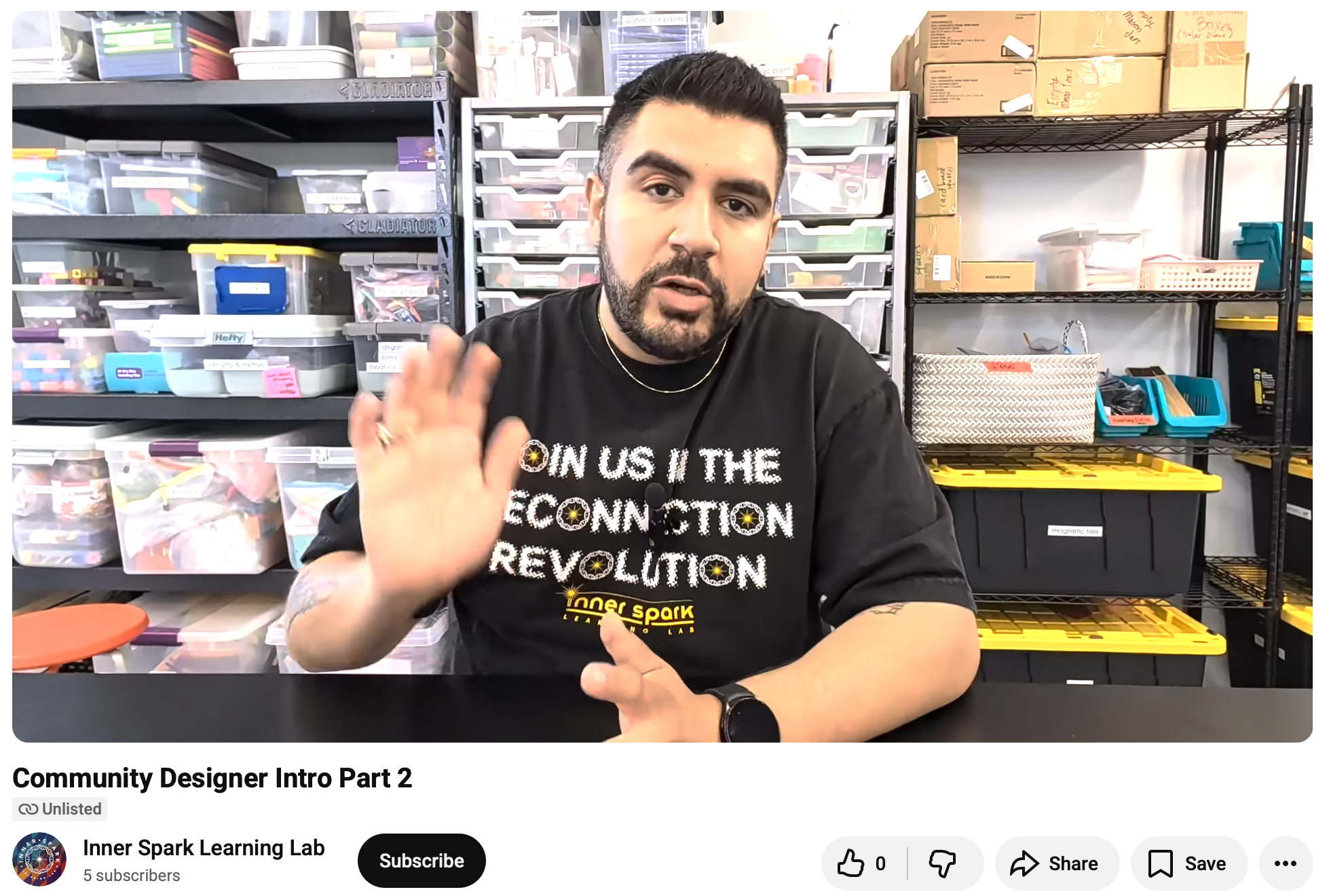
Community Designer Walk: Part 2
Last week, you explored your neighborhood through the eyes of an urban planner, observing public spaces, identifying community strengths, and documenting challenges that affect the people who live there.
This week, you'll take the next step.
Conversation Starters
After returning home from an event:
What is something we did together as a group today that made you feel proud of our teamwork?
In what ways did your own actions or attitude contribute to how well everyone collaborated or got along today?
At a family event:
What was a moment today where our family felt like a really strong team?
Was there a time today when you helped a relative do something they couldn't do alone? How did it feel to team up?
At bedtime:
Who was your best 'teammate' today, and what did you two do together that felt really good?
Reflecting on your day, when did you find it easiest to collaborate with others?
Week 5
Grades K–3
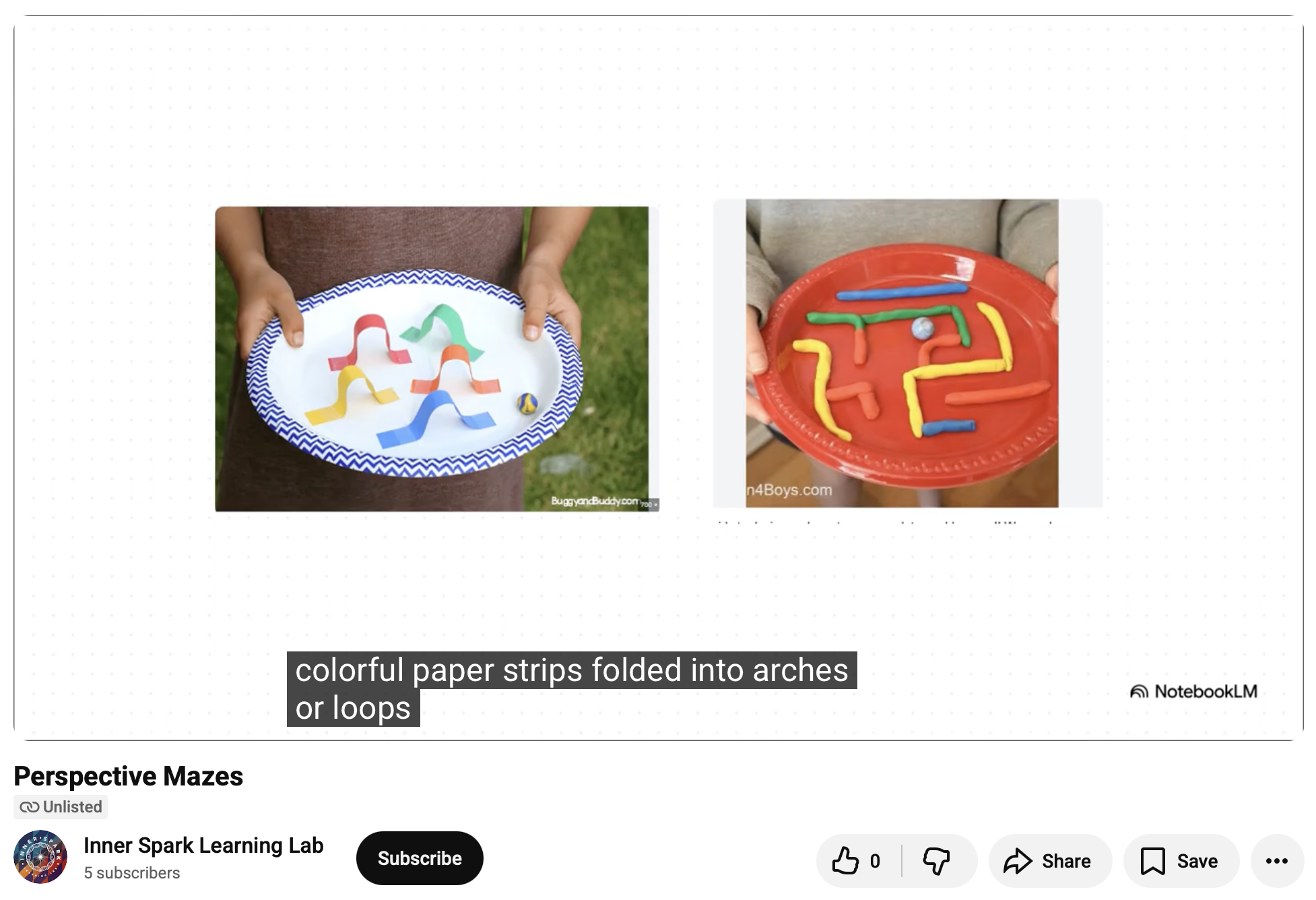
Perspective Mazes
In this activity, your family will build a marble maze together using simple household materials — straws, tape, and a paper plate — then take turns experiencing the maze from different points of view.
Grades 4-6
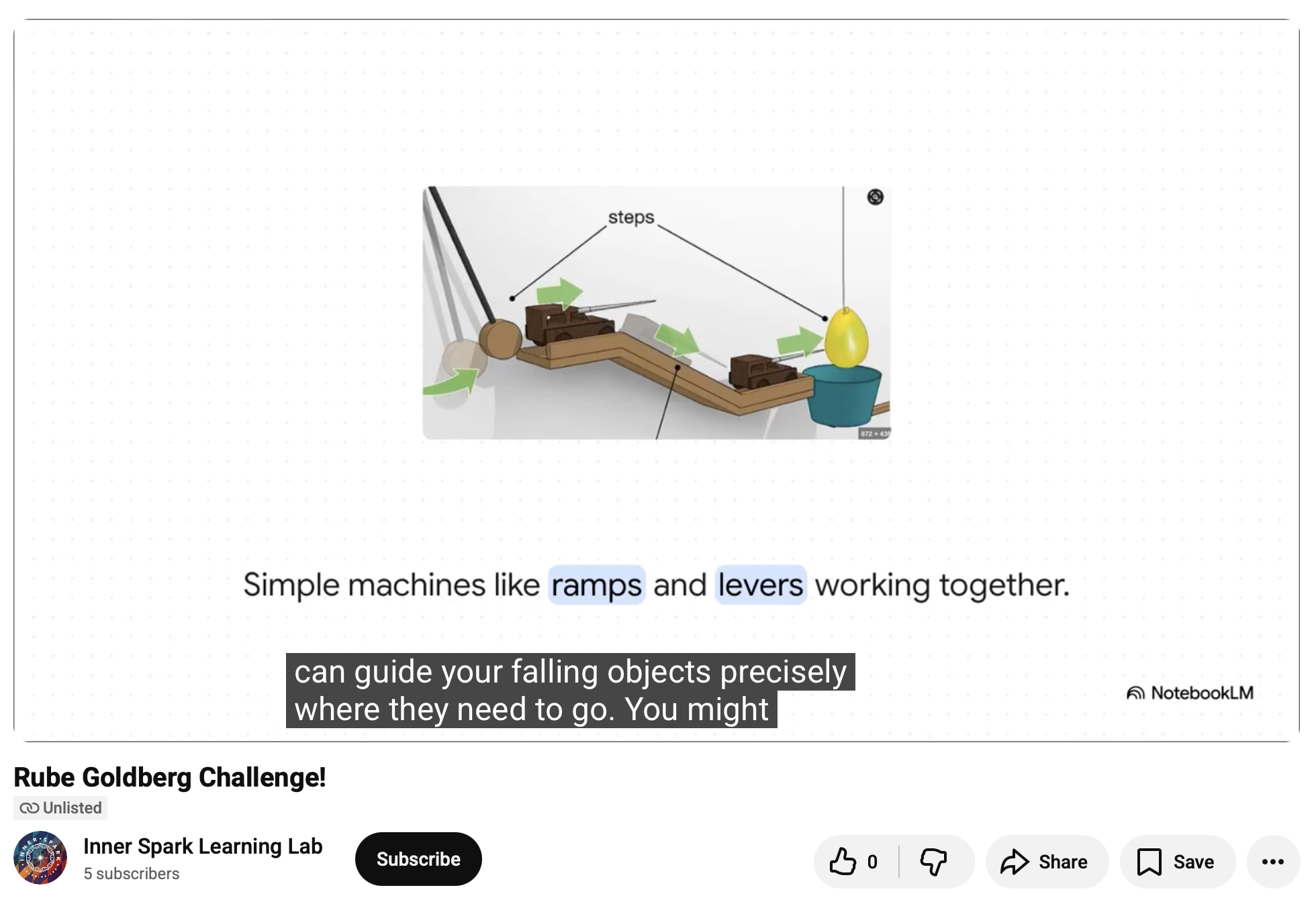
Rube Goldberg Machines: A Family Chain Reaction Challenge
In this activity, your family will design and build your own mini Rube Goldberg machine using simple, everyday materials from around the house, things like cardstock, straws, craft sticks, toilet paper rolls, dominoes, and marbles.
What is a Rube Goldberg machine? It's a machine that uses a long, silly chain of steps to complete a simple task!
Conversation Starters
After returning home from an event:
What was the kindest thing someone did or said to you today?
In what ways did you show your appreciation to the people who hosted or spent time with you today?
At a family event:
Who is someone you are really glad is here today, and why?
What is a family tradition or memory we are making right now that you think you’ll still be grateful for when you're older?
At bedtime:
Who helped you feel safe, loved, or happy today? How did they do it?
What is something about yourself that you feel grateful for tonight?